Building a digital real estate business is a smart way to create streams of income by owning, managing, or growing digital assets. This can include everything from websites and blogs to domain names and even virtual properties in metaverse worlds.
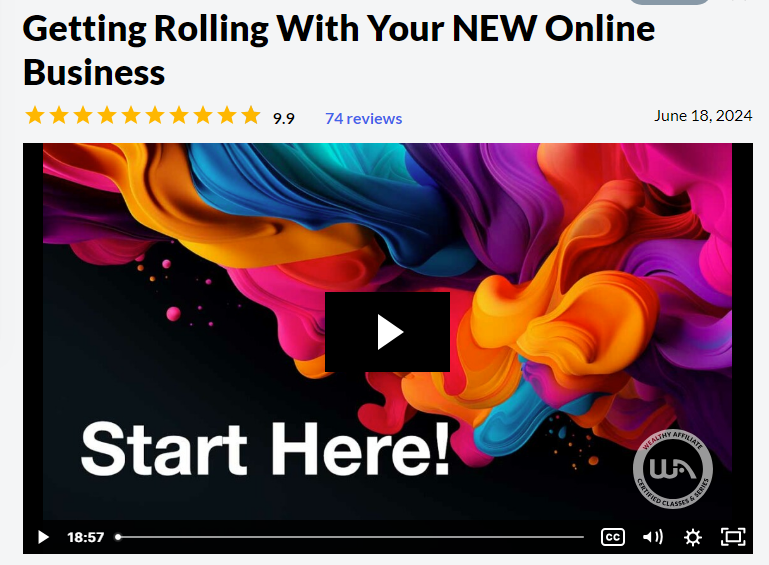
Wealthy Affiliate gives you a toolkit and a vibrant community to make this adventure smoother, especially if you’re starting from scratch or switching up your niche. The whole process gets quicker and less overwhelming when you have step-by-step training, practical tools, and ongoing support at your fingertips. This all-in-one approach makes a real difference.
What Is Digital Real Estate?
Digital real estate means owning online properties that hold real value and can put money in your pocket. These properties include traditional websites and blogs, memorable domain names, high-traffic social accounts, e-commerce stores, or even parcels of land in a virtual world.
Just like traditional real estate, digital assets appreciate if you build them up right, serve a clear audience, or make them attractive to buyers or renters. The concept is all about bringing something valuable to the digital world, where online traffic and attention translate into actual income.
The rise of digital real estate is clear across the internet. Domain sales keep breaking records, content websites regularly get bought and sold, and brands pay big money to get seen on accounts and websites with loyal followings. Many success stories start from a single niche website that grows into a valuable digital property generating consistent income every month.
There’s no one-size-fits-all path—the road you choose depends on your skill set, interests, and available budget. Some folks start with low-cost domains; others jump into e-commerce or even acquire digital properties in the metaverse. The variety of opportunities is what makes this field so intriguing and welcoming to newcomers and veterans alike.
First Steps: Picking the Right Digital Asset for You
Digital real estate comes in a handful of different flavors, each with its own perks as well as learning curves. Here are the main categories most people focus on:
- Websites and Blogs: Sites that pull in visitors through well-written content and pay you via ads, affiliate commissions, or sponsored content. If you’ve got a knack for writing or sharing insights, this path is worth looking at. A single website can eventually lead to a full digital portfolio, and providing high-quality content is often the backbone of a profitable online venture.
- Domain Names: Buying, holding, and sometimes ‘flipping’ catchy or keyword-rich web addresses. Spotting trends and great keywords is crucial here. Some investors have made quick returns from scooping up domains just before a trend catches fire, while others choose the slow-and-steady approach of holding domains until prices go up organically.
- Social Media Accounts: Growing niche Instagram or TikTok profiles can become a digital asset. Once you’ve built a following, you can generate income through promotions, partnerships, or launching your own products. The fast growth of social platforms makes this route especially interesting for those who enjoy content creation and fast-paced results.
- Ecommerce Stores: A digital storefront on Shopify or Amazon, where you sell physical or digital goods. Requires a different skill set. You need to understand product research, fulfillment, and digital marketing. With recent technology, getting started is easier, but effective competition and market research are still essential to success.
- Metaverse/Virtual Land: Spaces in digital worlds like Decentraland are often snapped up by forward-thinking investors. Keeping an eye out for trends is key, and the payoff can be big if you buy and develop at the right time. As the virtual world expands, owning virtual land is becoming more than just a novelty—it’s an opportunity that requires both research and a bit of risk-taking.
Take some time upfront to track down the asset type that fits your style and resources. Wealthy Affiliate’s training helps you break down the ins and outs of each model so you can make smart decisions early on. If you want to learn from others, the platform’s user stories and case studies offer practical lessons and inspiration, making it less intimidating to start your first project.

Choosing How to Get Started: Build or Buy?
There are a couple of different ways to get your foot in the digital real estate door, depending on your budget and risk tolerance:
- Build from Scratch: Start a fresh asset, whether it’s a blog, ecommerce shop, or a social profile. This approach can be more affordable, but it requires lots of effort and patience as you grow traffic and authority. Wealthy Affiliate’s website builder on WordPress speeds up the technical side and lets you focus on content or products. The sense of ownership and the learning along the way build valuable skills for future projects.
- Buy Existing Assets: Sometimes people buy established blogs or ecommerce sites on places like Flippa, Empire Flippers, or Motion Invest. This method costs more upfront but brings in income right away and can be scaled further using Wealthy Affiliate’s training and SEO strategies. Advanced investors often combine the two approaches, building new sites while acquiring undervalued assets to speed things up.
Both routes are valid, and many successful digital real estate owners mix both. You might start building your own content site and, down the line, use profits to buy a second site. The flexibility to switch things up is a big plus. It’s all about finding what works for your goals, and Wealthy Affiliate supplies the community and tools to support either track.
Common Questions About Starting a Digital Real Estate Business
Why should I use Wealthy Affiliate instead of just researching for free?
I’ve found that getting access to up-to-date, structured training—plus help from folks who have already walked the walk—saves time and keeps motivation high. Most free resources only tell part of the story and can leave you confused or stuck.
Do I need technical skills to build digital real estate?
Basic computer skills are plenty to get started, thanks to Wealthy Affiliate’s website builder and user-friendly instructions. As you grow your assets, you can always put new tools to work or hire pros if you’d rather focus elsewhere.
How long before my digital real estate property starts making money?
It varies, but most see their first earnings after a few months of consistent effort. Sites with tight, well-targeted content can show results sooner, whereas ecommerce properties might need more groundwork. Wealthy Affiliate highlights real examples so you get a sense of what’s realistic before you commit.
Monetizing Your Digital Real Estate
Turning your digital property into steady cash is the ultimate goal. Monetization strategies vary, but these are the most common and effective options:
- Advertising: Networks like Google AdSense, Mediavine, or Raptive let you earn a share of revenue based on your traffic. The key is driving enough targeted visitors to make it worthwhile. Over time, smarter advertising placements and higher-earning networks become accessible as your site grows in popularity.
- Affiliate Marketing: Promote other companies’ products and pocket commissions for every sale or lead you generate (think Amazon Associates, ShareASale, and others). Wealthy Affiliate puts a big focus on teaching smart affiliate marketing, so this is a powerful method to learn. As you test new programs and build trust, your income can grow substantially.
- Digital Products: Sell ebooks, printables, or online courses directly from your blog or site. These can turn into passive income after the initial setup, and you control both the messaging and the profits. Many site owners find that creating solutions for their audience opens new income streams.
- Leasing or Flipping: Rent out part of your site (like ad space or a subdomain) or sell the whole asset once it’s grown in value. Flipping can generate a big one-time payday, while leasing provides smaller but regular income.
Having more than one way to earn from a single asset is a good idea—it cushions you if traffic or partner programs change unexpectedly, keeping your income steady.
Making It Work: Tools, Training, and Support at Wealthy Affiliate
I’ve found that Wealthy Affiliate is packed with resources targeted at people serious about earning from digital real estate. Here’s what stands out for me:
- Step-by-Step Training: Newbie or not, the structured courses cover picking profitable niches, SEO, creating great content, and growing your asset. Every lesson builds on the last, which makes a big difference as you move forward. These courses stay updated, so you’re not working with outdated info.
- Website Builder and Hosting: Creating a WordPress site couldn’t get easier. The platform’s tools walk you through every step, from picking a domain to launching your website, so you spend far less time on tech headaches and more on adding value.
- Research Tools: The built-in keyword research lets you spot trends and topics with search potential, which is pretty handy for both writers and digital property hunters looking to find the next opportunity.
- Community Support: No shortage of experienced members who answer questions, celebrate wins, and give feedback. The live chat and forums can save you tons of time and prevent rookie mistakes. Seeing others succeed keeps you fired up during plateaus.
- Private Messaging and Networking: You can connect privately with mentors and peers, which helps when you’re stuck or want outside eyes on your next move. Relationships built inside the community often turn into partnerships or even collaborations down the road.
Everything inside Wealthy Affiliate is doable, even if you’re learning as you go. Plus, the huge catalog of case studies and user experiences keeps motivation high and shows what’s possible. Watching others turn digital assets into real income is a boost when you need it most.
Optimization and Scaling: Growing Your Digital Portfolio
Getting your first asset earnings is just the beginning. To make your efforts really count, you need to focus on growth and stability over time. Here’s what helps take your digital real estate up a notch:
- SEO: Making your site easier to stumble upon on Google and other search engines is crucial. Wealthy Affiliate offers SEO checklists and live classes that help you add best practices, like improving on-page content, building backlinks, and boosting speed. Once in place, these techniques provide long-term value.
- Content Strategy: Regular updates with well-planned, niche-focused content improve your authority and keep visitors coming back. Mapping out your content calendar one or two months in advance takes a lot of pressure off and ensures your property stays active.
- Switching Up Income Streams: When one site or store does well, use profits to explore new asset types—maybe add a blog or snap up an undervalued domain name. Spreading risk and opportunity helps lock in more stable returns.
- Testing New Monetization: Try different ad networks, add digital products, or offer expert consulting as your reputation grows. Don’t be afraid to mix things in and see what clicks with your audience.
This stage is where analytics tools, social schedulers, and outsourcing come into play. As your business scales, a little investment in automation or professional help makes it more resilient and less vulnerable to sudden shifts in traffic or search updates. It’s a chance to turn your solo operation into a true business machine that runs smoothly in the background.
Due Diligence and Deciding on Your Exit
Smart digital real estate investors are always thinking several steps ahead. If you decide to buy an existing website or ecommerce store, use tools like Google Analytics to back up traffic data and double-check all financial information. If you’re selling, tidy up your asset and make sure every revenue stream is smooth and reliable. A polished asset attracts higher offers and makes negotiations smoother.
Some folks hold digital properties for recurring income, while others flip their best performers every year or two. Long-term ownership can bring steady cash with less hands-on work after initial growth, while flipping gives you lump sums for fresh projects. Both strategies have merit, and you can switch things up depending on your overall goals or the market trends.
Having a clear game plan for when to hold or sell keeps you focused, especially as your portfolio grows. Wealthy Affiliate’s courses on exit planning and business management help you avoid common mistakes and make each transition smooth—in or out.
Real-World Examples and Inspiration
I’ve run into loads of Wealthy Affiliate members who started with zero experience, grew one or two small websites, and now either bank monthly profits or enjoy lump sums from flipping sites. People have flipped aged domains, launched blogs that led to full-time income, or successfully jumped into ecommerce based on knowledge from the platform.
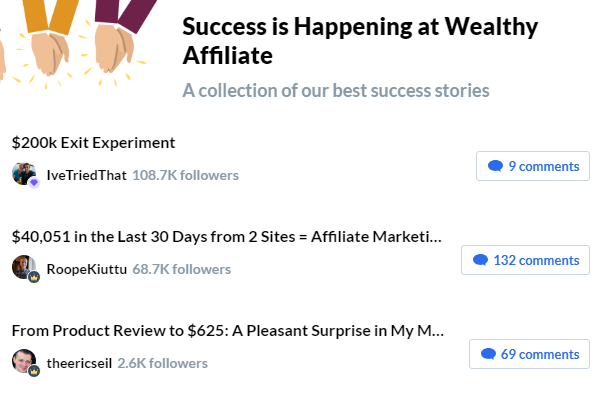
Their steady progress shows that almost anyone willing to keep learning and adapting can make digital real estate work. These stories are eye-catching motivation on tough days—success is closer than you might think!
Kickstarting Your Digital Real Estate Adventure
Owning digital real estate is more reachable than ever. Whether you build, buy, or do a bit of both, Wealthy Affiliate’s training, tools, and community give you a shortcut to growing income-producing properties online. The sooner you jump in, the quicker you’ll switch from “curious” to “digital property owner.”
Set a clear plan, start with that first website, domain, or asset, and the rest will get easier as you learn and grow. The bottom line: This is your chance to step up your income and create something that truly works for you.
I’m looking forward to working with you on your Digital Real Estate Business.
- onlinebenjamins.com
- thebeachangler.com
- thesinnerinthemirror.com
- YouTube: Online Benjamins
- Facebook: Online Benjamins
- Twitter: @onlinebenjamin1
- Instagram: dotcomdinero
Rex
P.S. Again, Wealthy Affiliate is COMPLETELY FREE to get started. No catch, no obligation, and no bait and switch. I will personally be in touch with you upon joining to offer my support and guidance to help you get up and running online.
P.P.S. If you have any questions or are unsure of anything, I am here, and I promise I will get back to you on all of your questions and comments. Just leave them below in the comment section. Follow me on Twitter: @onlinebenjamin1, Instagram: dotcomdinero, and Facebook: Online Benjamins.


I’m Rex, owner of Dotcom Dinero. And, being a self employed entrepreneur for nearly 30 years, I have learned a lot about business, being your own boss and how to make “dinero”. Follow me here and I’ll share with you my experiences, tips, and strategies for building a profitable online business. We’ll review the latest money making products and scams to help you navigate the sometimes “shady” world of making money “dinero” online.